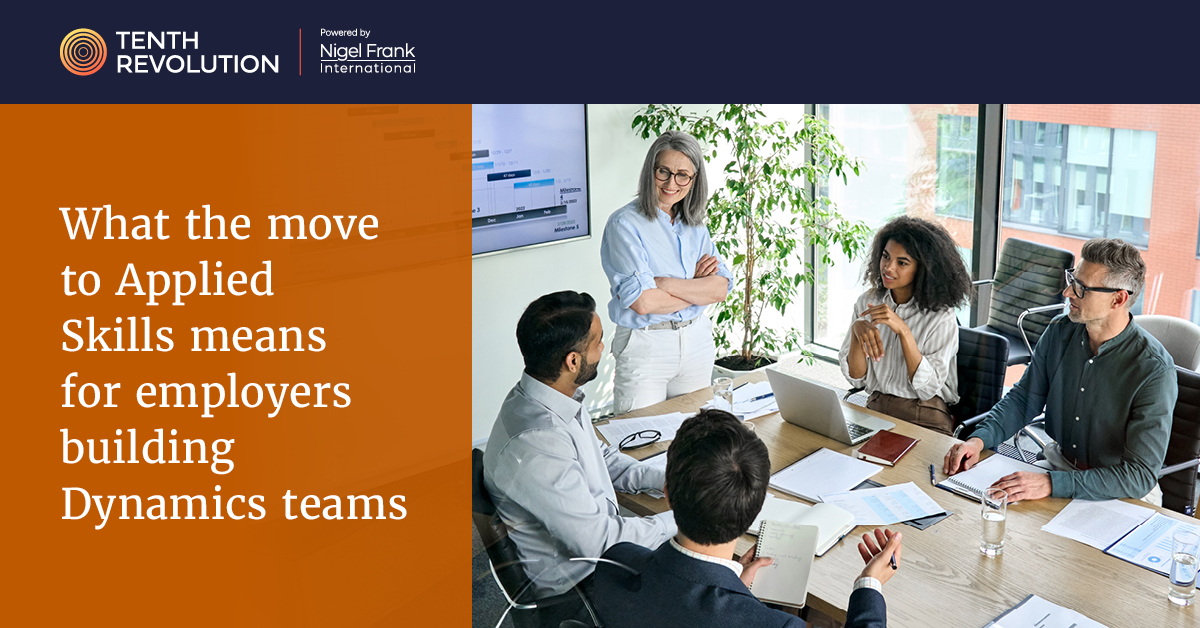
Microsoft’s shift to Applied Skills is changing how employers screen and grow Dynamics 365 and Power Platform talent.
Traditional certifications focused on broad product knowledge. Professionals studied long lists of features, then took exams that measured memory more than practical work. Applied Skills takes a different path. It tests people on real tasks that match real projects. Each badge reflects something a person can do, not something they once read.
This raises the bar for hiring. It gives employers clearer signals during screening. It also changes how candidates plan their careers. The result is a new rhythm across Dynamics teams, where practical skill matters more than test-driven learning.
Why Applied Skills changes screening
Applied Skills assessments cover specific, scenario-driven tasks. A candidate might earn a badge for building a flow, creating a model-driven app, or completing a customer journey. The tasks come from everyday work, and they show how well a person can follow a process and deliver a real outcome.
This helps hiring managers understand skills without guessing. A badge shows what a candidate can produce. It shows how they work with data. It shows how they follow rules that shape the platform. These signals matter more than broad exams that try to cover everything.
The Nigel Frank Microsoft Careers and Hiring Guide notes that 89% of Microsoft professionals say certifications help them perform better in their roles. Applied Skills strengthens this effect because it links learning directly to tasks that teams handle every day.
Nigel Frank helps companies hire Dynamics 365 and Power Platform professionals who bring current skills and steady judgment into each project.
Why Applied Skills works well for Dynamics teams
Dynamics and Power Platform work moves fast. Monthly updates shift features and change user expectations. Applied Skills helps teams keep up by focusing on tasks that remain consistent even as the product changes.
A person who learns through real tasks gains habits that support long-term growth. They learn how to check data. They learn how to follow process steps. They learn how to fix issues without breaking other parts of the system. These habits help teams avoid rework and protect quality.
Applied Skills also fits low-code work. The Power Platform has many ways to build the same thing, so practical tests help reveal how people make decisions. The badges show whether a maker follows good patterns or cuts corners. That difference matters.
How Applied Skills changes upskilling inside companies
Teams now use Applied Skills to guide internal learning. Managers can see which badges fit their current projects. They can help staff plan learning paths that match the work ahead. This creates a shared direction and reduces training guesswork.
Employees also gain confidence when they complete badges tied to real tasks. They see progress quickly. They understand how the new skill fits their daily work. They build momentum that helps them take on harder projects.
This kind of progress benefits the entire team. It produces a steady rise in quality and reduces the number of issues that reach senior staff.
Why this shift matters for recruitment
Hiring managers now ask different questions. They want to know which tasks a person can complete, not only which exams they passed. They want to know how a candidate approaches problems and what habits they bring to the job.
Applied Skills makes these points easier to measure. A badge shows demonstrated ability. It also gives teams a shared language for skills. Employers can say they need someone who can create a flow from scratch or build a segment with specific rules. Candidates can show proof.
This clarity saves time during screening. It reduces misalignment between job posts and candidates. It helps managers spot talent that can grow with the team instead of relying on memorized facts.
Nigel Frank connects employers with Dynamics 365 and Power Platform professionals who hold the skills that match real project needs.
Common hiring pitfalls in an Applied Skills world
Applied Skills makes hiring clearer, but it also exposes gaps in how companies approach screening. Many employers still rely on broad certifications without looking at the specific tasks behind them. Others skip practical questions during interviews because they assume a badge tells the whole story. Some expect candidates to know every feature instead of focusing on the tasks that drive real projects.
These gaps create mismatches between what a team needs and who gets hired. A person may pass a wide exam but struggle with everyday tasks. Another may have strong habits but no guidance on how to show them during an interview. Applied Skills helps reduce this uncertainty, but only if hiring managers use the badges as one part of a wider evaluation.
The strongest teams combine task-based credentials with clear interview prompts and practical assessments. This keeps hiring focused on real work rather than abstract knowledge and builds teams that deliver results with steady, predictable quality.